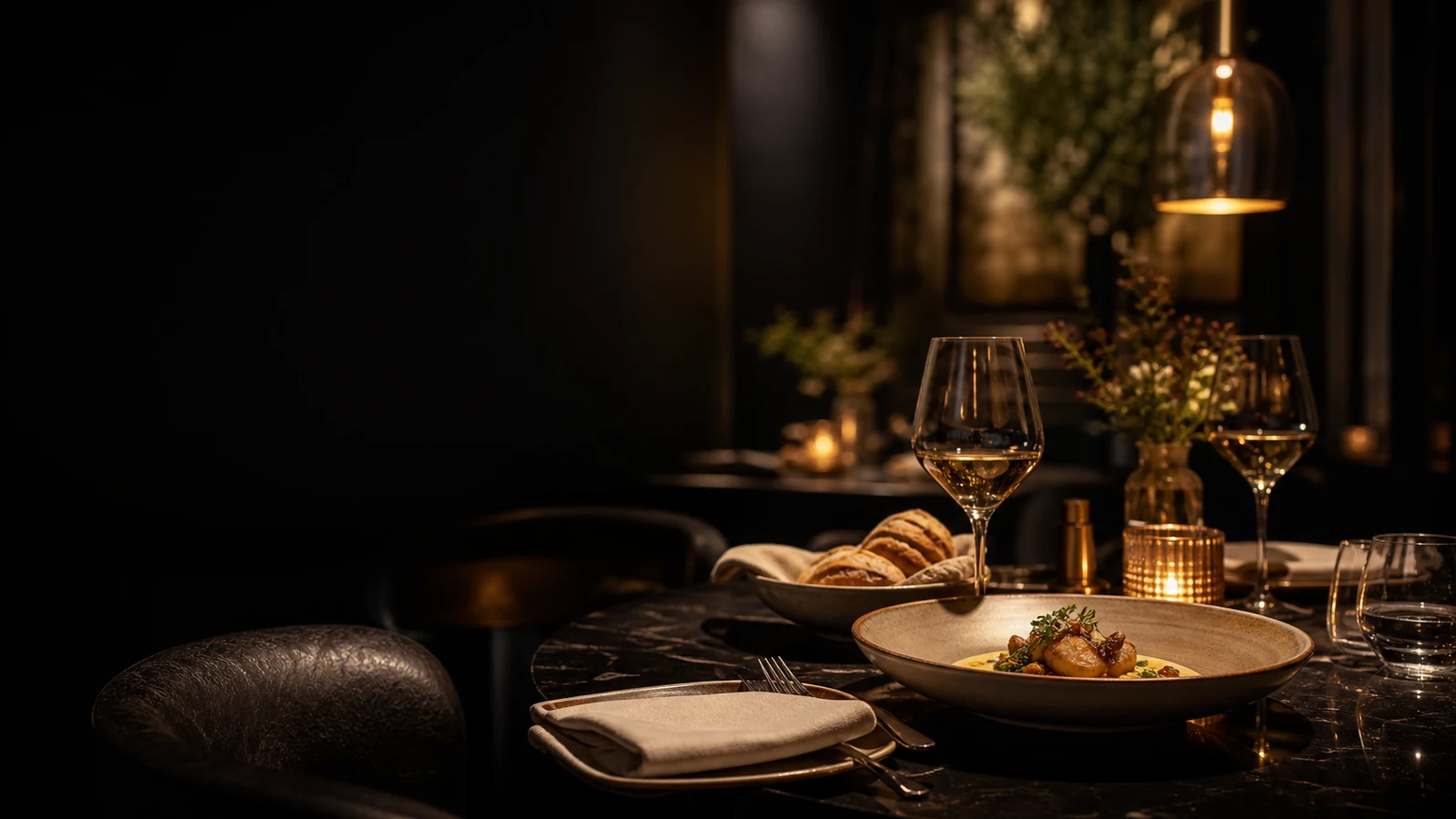
Restaurant website design
Restaurant websites that make people hungry, confident, and ready to book.
A restaurant website should do more than show opening hours. It should create appetite, build trust, make the menu easy to explore, and guide visitors toward reservations, calls, directions, or online requests.
- 01Menu clarity
- 02Booking flow
- 03Mobile trust
Restaurant website problems
Good food can look less desirable when the website feels old, unclear, or hard to use.
Restaurant customers often decide from a phone. If the menu, atmosphere, location, or booking path is hard to understand, the website can lose the visit before the guest arrives.
Outdated design
Dated visuals can make the restaurant feel lower quality than the real dining experience.
Unreadable mobile menu
PDF menus and tiny text create friction for people choosing quickly from a phone.
Unclear booking path
Visitors should instantly see how to reserve, call, request, or get directions.
Weak atmosphere
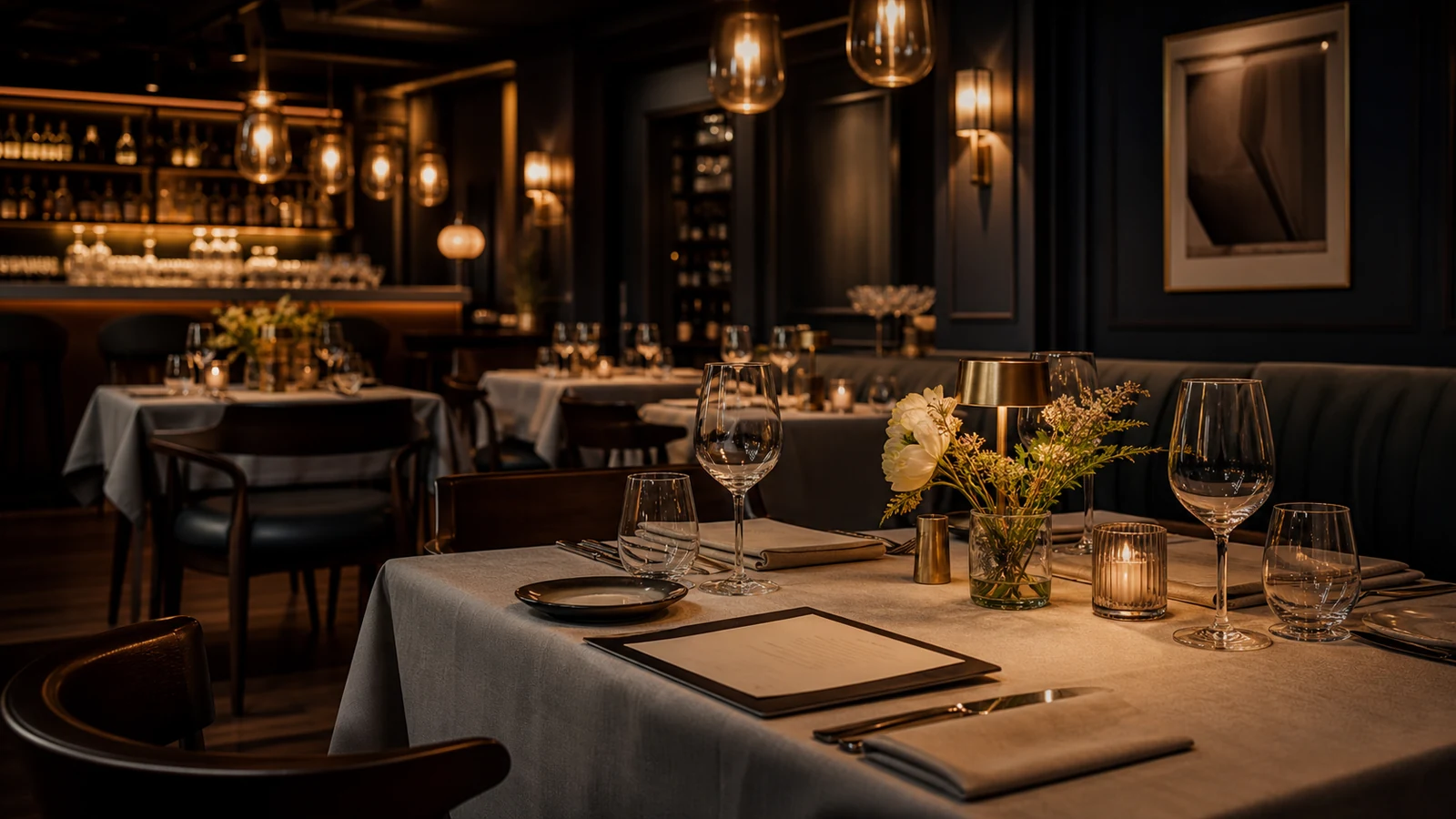
The website should communicate the food, mood, interior, and hospitality before the first visit.
Hidden hours and location
Opening hours, address, and directions need to be obvious on desktop and mobile.
Social media is not enough
People searching on Google still expect a trustworthy website with clear restaurant information.
What it should include
A premium restaurant website turns appetite into action.
The page structure should make the restaurant feel desirable, credible, and easy to choose while keeping the next step clear.
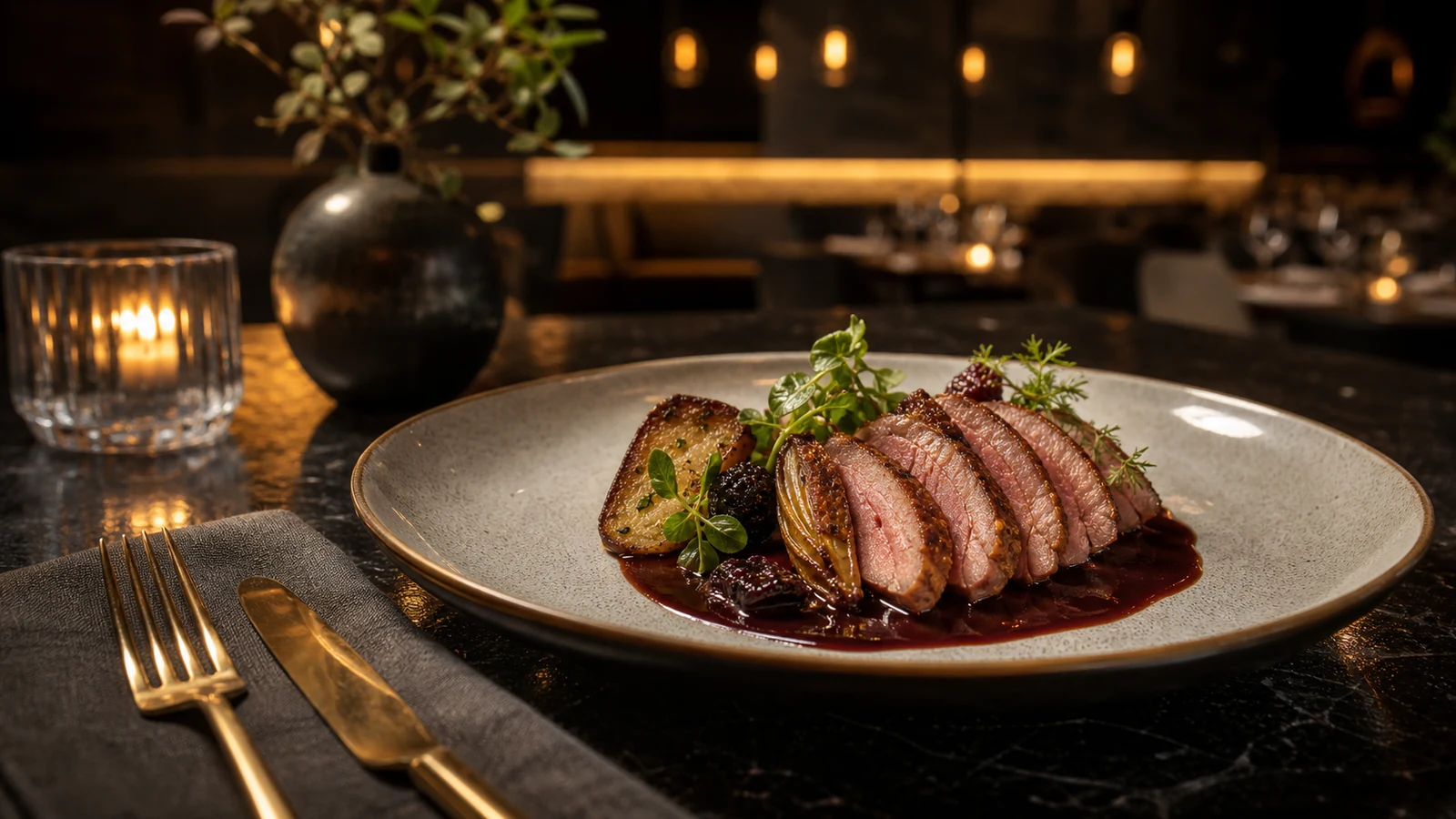
A cinematic opening that makes the food and atmosphere feel worth visiting.
Readable menu sections built for phones, not buried in a hard-to-use PDF.
Clear booking, request, call, or WhatsApp paths placed where guests decide.
Fast access to location, contact, directions, and opening hours.
Food, interior, and hospitality visuals that create confidence before arrival.
Proof, press, ratings, or reputation cues that reduce hesitation.
A phone-ready experience for guests comparing options nearby.
Clean headings, metadata, and crawlable content for restaurant search intent.
Before and after
From an old menu page to a restaurant experience people want to book.
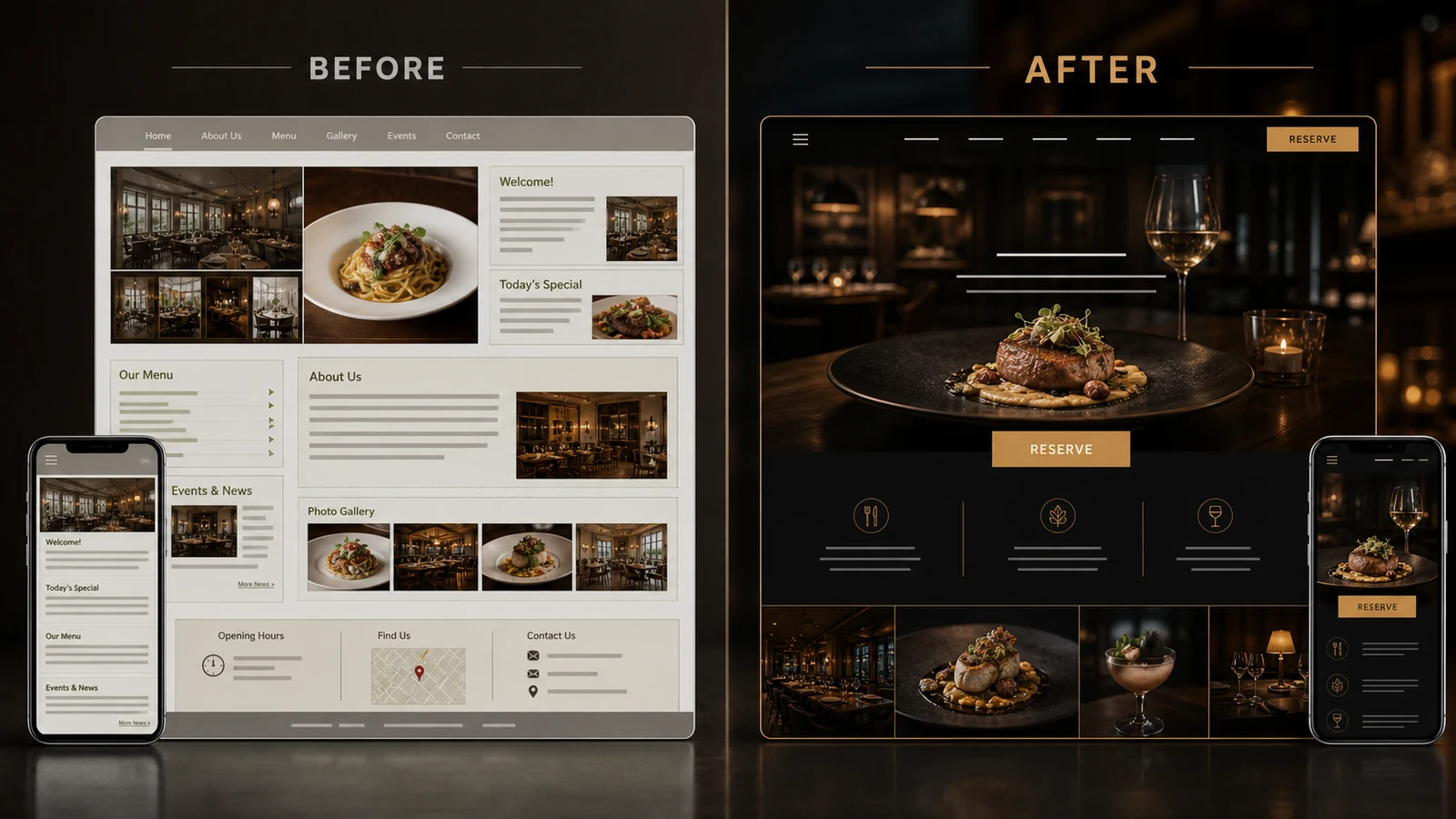
Before
- Old menu PDF
- Unclear booking button
- Weak mobile layout
- No atmosphere
- Difficult contact path
After
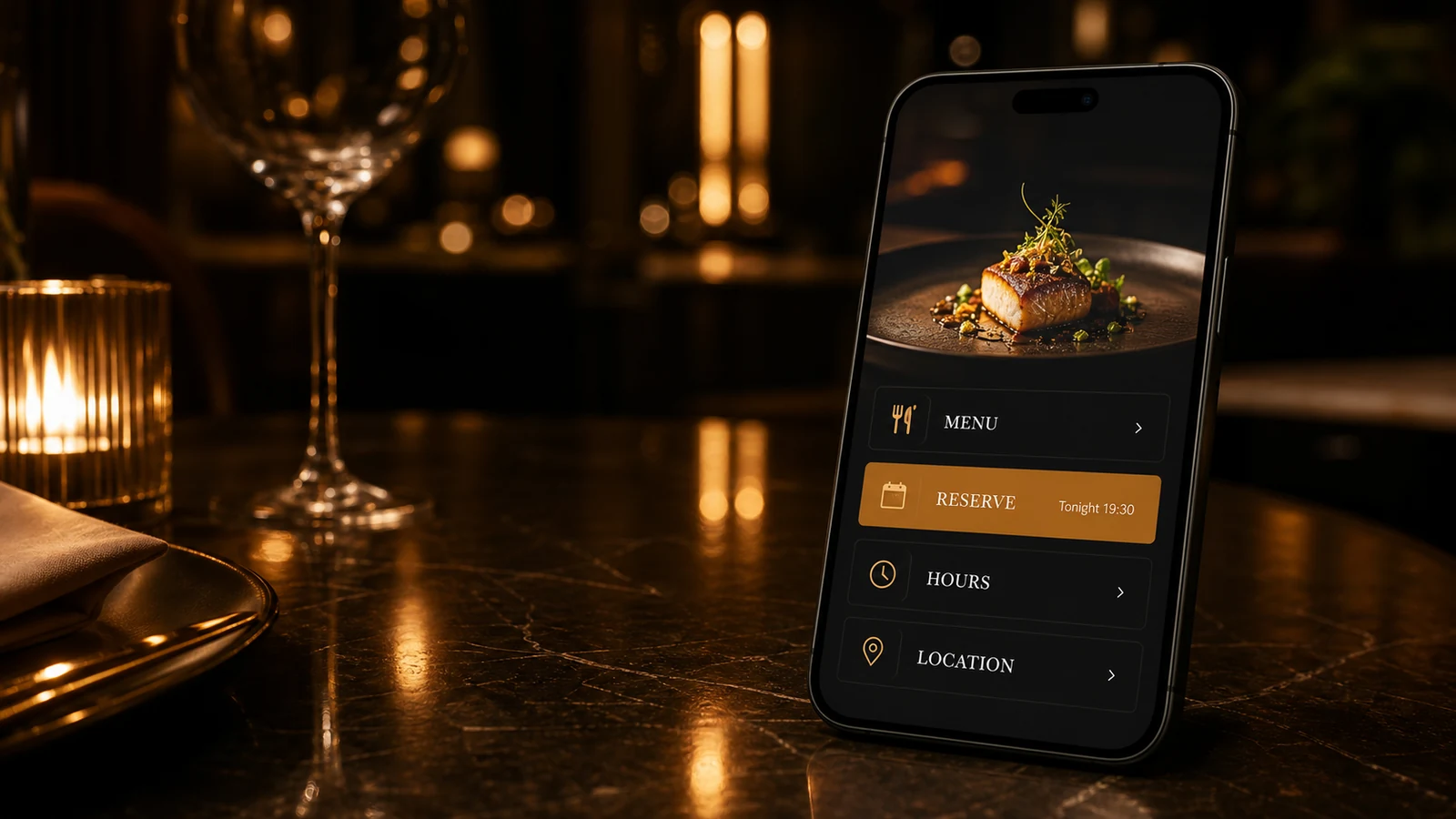
- Cinematic hospitality first screen
- Clear reservation path
- Readable mobile menu
- Reviews and trust section
- Hours, location, and contact clarity
Website styles for restaurants
Different restaurants need different digital atmospheres.
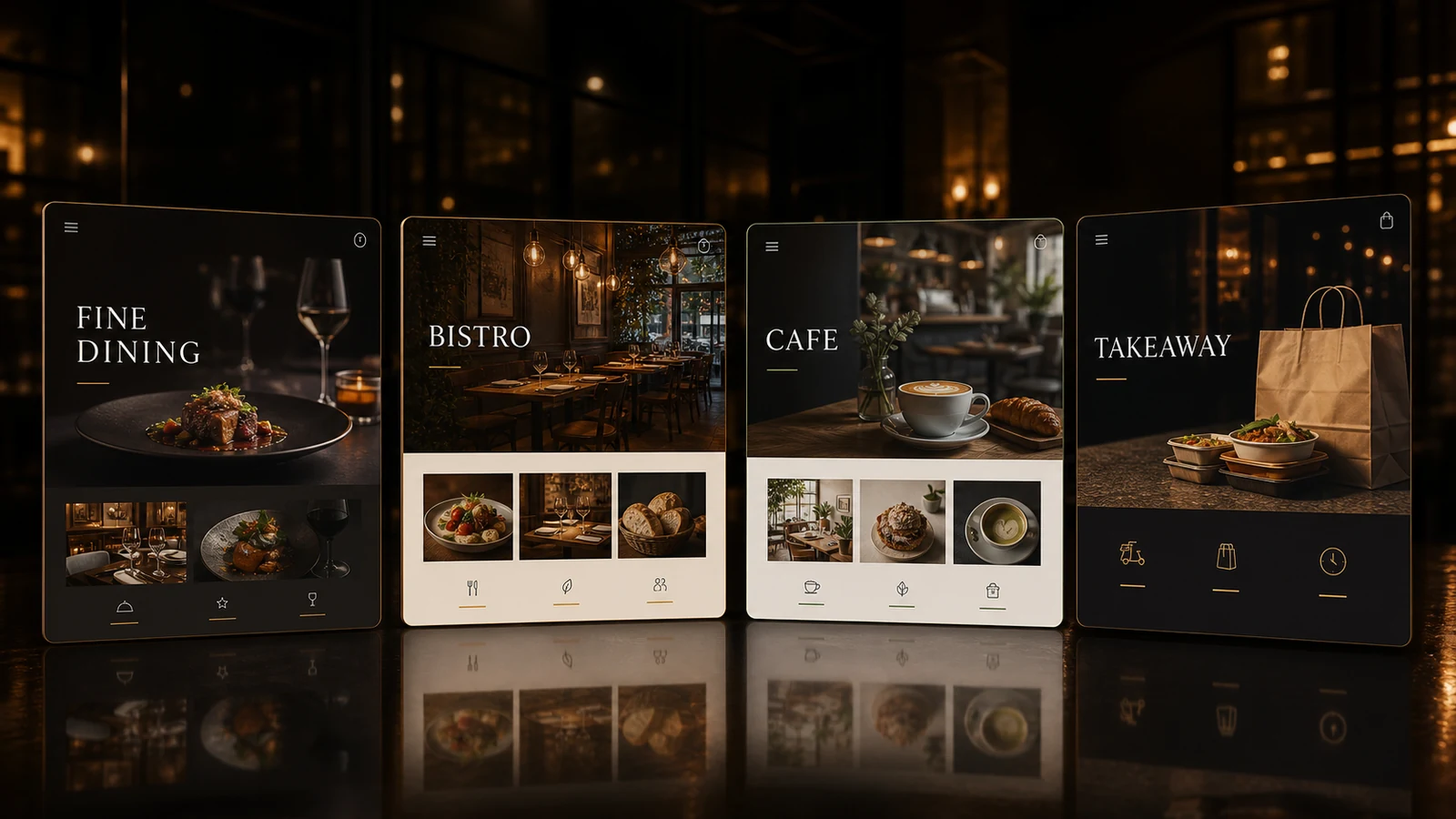
Premium fine dining
For restaurants where atmosphere, trust, reservations, and visual restraint need to feel elevated before the guest arrives.
Warm local bistro
For neighborhood restaurants that need to feel welcoming, credible, and easy to book without looking generic.
Modern cafe
For cafes where menu clarity, lifestyle visuals, opening hours, and mobile location flow matter most.
Fast local service
For service-focused restaurants that need quick calls, directions, menu scanning, and conversion over decoration.
Process
A focused process for restaurant owners.
- 01Understand the restaurant and customer type
Clarify cuisine, offer, guest expectations, and the action the site should support.
- 02Define the visual atmosphere
Shape a premium direction around food, interior, service style, and brand perception.
- 03Structure menu, booking, contact, and trust
Make the important decisions easy for visitors to scan and act on.
- 04Build the mobile-first restaurant page
Create a fast, readable experience for guests deciding from a phone.
- 05Add SEO metadata and launch checks
Prepare clean metadata, responsive behavior, accessibility, and launch-ready checks.
Restaurant website design
Your restaurant website should make people want to book before they arrive.
If your current website does not make the food, atmosphere, menu, and reservation path feel clear, the site is weakening the first impression.